
Safety Rules For Utility
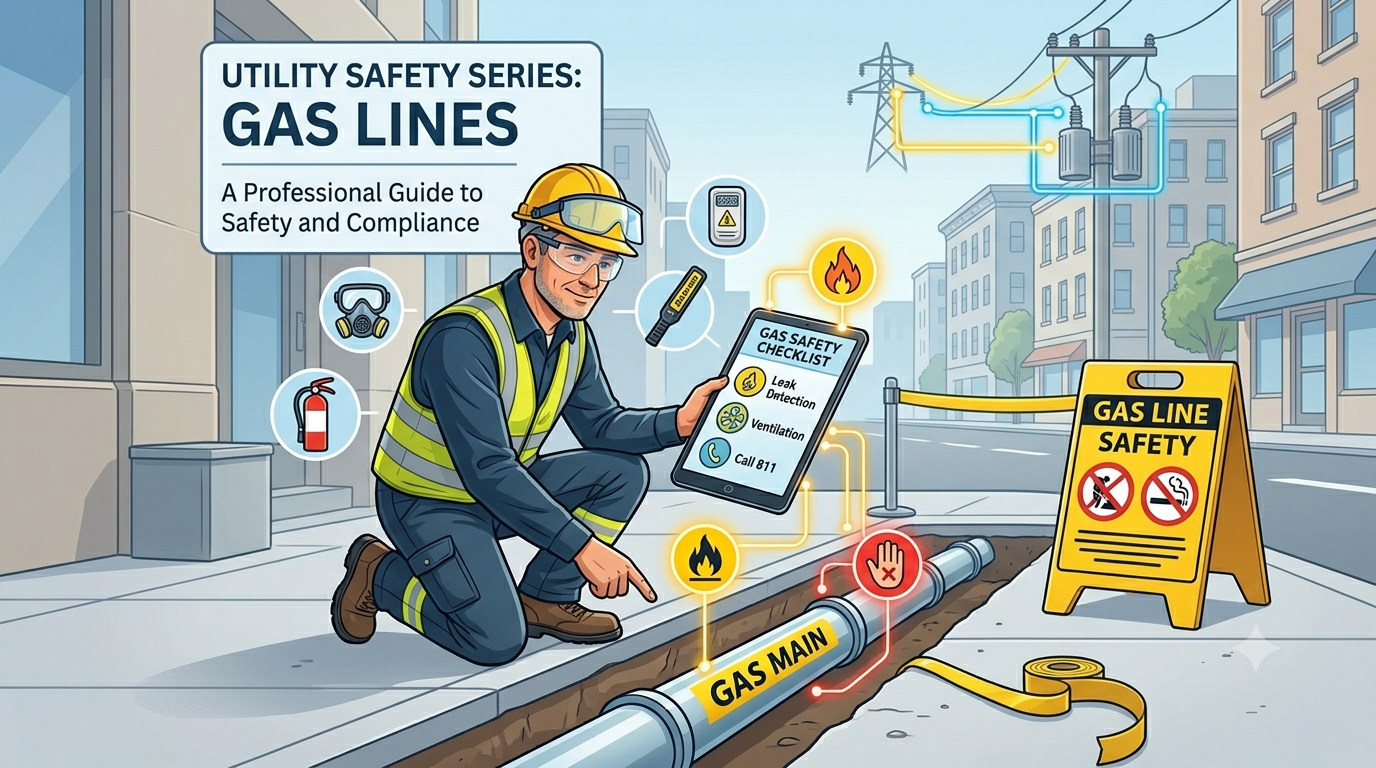
Working with utilities is a critical service that powers our homes and keeps our infrastructure running. But it is also work that comes with significant risks. I have seen firsthand how easily an oversight can lead to serious accidents. This is why understanding and strictly following safety rules for utility work is not just a recommendation, it is an absolute necessity for everyone involved.
I believe a strong safety culture is built on awareness and consistent practice. My goal today is to share insights into the fundamental safety measures that protect utility workers and the public. We must approach every task with caution and respect for the potential hazards.
Every utility professional has a role in upholding these standards. From routine maintenance to emergency repairs, sticking to established protocols prevents injuries and fatalities. It ensures that essential services can continue without interruption, keeping communities safe and functional.
Understanding the Dangers of Utility Work
Utility work involves a broad spectrum of potential dangers, many of which are not immediately visible. Electrical hazards are always a major concern. Contact with live wires, even indirectly, can cause severe burns, electrocution, or arc flash injuries. I know this from experience, and it is a risk that demands constant vigilance.
Gas lines present another significant threat. A damaged gas line can lead to leaks, creating fire or explosion risks that endanger an entire area. Workers also face dangers from underground utilities like water pipes and communication cables. Striking these lines can cause flooding, service outages, or even electrical shocks if power lines are hit.
Excavation work brings its own set of problems. Trenches can collapse, burying workers under tons of earth. Heavy machinery used for digging and lifting poses crushing hazards. Noise exposure, working at heights, and exposure to extreme weather conditions are other common issues. These varied risks mean that a single approach to safety is not enough. We need a multi-layered strategy that addresses each specific threat.
Working in traffic is another daily hazard for many utility crews. Distracted drivers or poor visibility can lead to accidents with vehicles. Managing these dynamic environments requires careful planning and clear communication. Every team member must be alert to their surroundings. We always emphasize the importance of situational awareness on every job site.
Recognizing Hidden Hazards
Some of the most dangerous situations in utility work come from hazards that are not immediately obvious. For example, underground utility lines might not be accurately marked on maps. This can lead to unexpected encounters during excavation, potentially striking a gas line or an electrical cable.
Confined spaces like manholes or vaults can hide dangerous gases or low oxygen levels. Entering these spaces without proper ventilation and monitoring equipment is extremely risky. We teach our teams to assume hazards are present until proven otherwise. This mindset is vital for preventing accidents from unseen threats.
Essential Personal Protective Equipment (PPE) for Utility Professionals
Personal protective equipment, or PPE, is the frontline defense for utility workers. It is not just about having the gear. It is about wearing the right gear correctly every single time. My teams and I prioritize this because the consequences of neglecting PPE are too high.
Hard hats protect against falling objects and impacts. Safety glasses or face shields guard against flying debris, sparks, and chemical splashes. Flame-resistant clothing is crucial for electrical workers to protect against arc flashes and sudden fires. Hearing protection prevents long-term damage from loud machinery and equipment.
Gloves are selected based on the specific task. Electrical work requires insulated gloves. Handling rough materials calls for heavy-duty work gloves. Each type offers specific protection. Safety footwear, often with steel toes and puncture-resistant soles, protects feet from heavy objects and sharp hazards on the ground. This gear is non-negotiable for safety.
Head Protection and Eye Safety
Head injuries can be devastating, so a high-quality hard hat is a must for all utility personnel on job sites. These are designed to withstand significant impacts from falling tools or materials. They also protect against incidental contact with electrical conductors.
Eye protection is equally important. Safety glasses, goggles, or face shields prevent serious eye injuries from flying particles, chemical splashes, or intense light from welding or arc flashes. I always tell my crew that their eyes are irreplaceable. Taking a few seconds to put on the right eye protection is a small effort for such a big reward.
Hand and Foot Protection
Hands are constantly exposed to hazards in utility work. Specialized gloves protect against cuts, punctures, electrical shocks, and chemical burns. For electrical work, gloves are rated for different voltage levels and must be regularly inspected for damage. We never compromise on glove integrity.
Foot protection guards against crushing injuries from heavy equipment and falling objects. Safety boots with steel or composite toes are standard. Puncture-resistant soles prevent injuries from nails or sharp debris on the ground. They also provide traction on uneven or slippery surfaces, reducing the risk of slips and falls. This makes a big difference in preventing common workplace accidents.
Best Practices for Electrical Utility Safety
Working with electricity requires extreme caution and adherence to strict safety protocols. Lockout/tagout procedures are fundamental. This process ensures that power sources are completely de-energized and cannot be accidentally re-energized while work is being performed. We use specific devices to lock off power and tags to clearly indicate that equipment is out of service.
Maintaining safe distances from power lines is also critical. Even without direct contact, high voltage lines can create an electrical arc through the air. Workers must be aware of the minimum approach distances for different voltage levels and ensure all equipment, like cranes and ladders, stays clear of these zones. My team receives regular training on these distances to keep everyone safe.
Before any work begins, I always make sure we conduct thorough inspections for live wires. Using voltage detectors and other testing equipment confirms that circuits are dead before anyone touches them. We treat all wires as live until proven otherwise. This cautious approach has saved lives and prevented countless accidents on our job sites.
Grounding electrical equipment is another essential practice. Proper grounding safely channels electrical current away from workers in case of a fault. We routinely check our grounding systems. Faulty grounding can be just as dangerous as working with live wires. These careful steps protect our personnel every day.
Gas Line and Underground Utility Safety Protocols
Working around gas lines and other underground utilities demands careful planning and execution. The most important rule before any digging begins is to call 811. This service helps locate and mark underground utility lines, including gas, water, sewer, and telecommunications. Ignoring this step is incredibly dangerous and illegal in many places. I always insist on this preliminary step for every project.
If a gas leak is suspected or detected, immediate action is necessary. Workers must evacuate the area, notify emergency services, and prevent any ignition sources. This means no smoking, no operating machinery, and no electrical switches until the situation is declared safe. We have clear emergency response plans in place for these scenarios.
Excavation safety involves more than just locating lines. Trenches must be properly shored or sloped to prevent collapses. Daily inspections of excavations ensure their stability. We always make sure workers have safe means of entry and exit. Keeping heavy equipment and excavated soil a safe distance from the edge of a trench also prevents cave-ins. It is all part of a comprehensive safety strategy.
When working with gas lines, understanding local regulations is also key. For example, homeowners in Fort Worth often ask if they need a permit for gas line repair. Knowing these requirements helps everyone stay compliant and safe. Always check with your local municipality or utility provider to understand permit necessities before starting any work involving gas lines. These details are important for both professional crews and individuals.
Emergency Preparedness and Response in Utility Operations
Even with the best preventative measures, emergencies can happen. Being prepared for them is a core part of safety rules for utility work. Every crew member must know what to do in an emergency. This includes knowing who to call, where emergency equipment is located, and how to administer basic first aid.
Our emergency response plans cover a range of scenarios. These include gas leaks, electrical incidents, trench collapses, and vehicle accidents. We conduct regular drills and simulations to ensure our teams can respond quickly and effectively under pressure. Clear communication channels are essential. Everyone needs to know their role when an emergency strikes.
First aid and CPR training are mandatory for all field personnel. Having individuals on site who can provide immediate medical attention until professional help arrives can make a significant difference in outcomes. I personally ensure that our kits are stocked and up to date, and that skills are refreshed regularly. Fast and competent response saves lives and minimizes damage.
Having easily accessible emergency contact information for local authorities, utility providers, and medical facilities is another vital component. This information should be clearly posted on job sites and carried by supervisors. We also use clear alarm systems or whistles to signal emergencies across larger sites. This coordinated approach helps keep everyone safer.
Ongoing Training and Adherence to Safety Standards
The utility industry is always evolving. New technologies emerge, and new safety standards are implemented. For these reasons, ongoing training is not just a good idea, it is a critical part of maintaining high safety levels. We invest heavily in continuous education for our teams. This keeps everyone updated on the latest best practices.
Regular refreshers on existing safety rules for utility operations reinforce knowledge and prevent complacency. Topics often include hazard recognition, proper use of PPE, emergency procedures, and safe equipment operation. These sessions are interactive and encourage questions, because I believe active participation leads to better retention.
Staying informed about changes in federal, state, and local regulations is also paramount. Compliance is not just about avoiding fines. It is about operating safely and responsibly. We have a system in place to monitor regulatory updates and integrate them into our training programs and operational procedures. This ensures our work always meets or exceeds legal requirements.
Beyond formal training, we foster a culture of open communication about safety. Any worker should feel comfortable reporting potential hazards or suggesting improvements without fear of reprisal. Learning from near-misses and incidents, both our own and those reported in the industry, helps us continuously refine our safety protocols. Every observation contributes to a safer working environment for all.
Prioritizing Safety Rules For Utility Operations
I have outlined many critical safety rules for utility work today. These include understanding the dangers, using proper PPE, following electrical and gas line protocols, and being prepared for emergencies. These are not just guidelines. They are foundational principles that protect lives and ensure the continued delivery of essential services to our communities. My experience tells me that prioritizing safety leads to more efficient and reliable operations for everyone involved.
A strong safety culture is not built overnight. It requires consistent effort, continuous training, and unwavering commitment from every individual, from management down to every field worker. We must all remain vigilant, constantly assessing risks and adhering to established protocols. Never take shortcuts when safety is at stake.
I encourage all utility professionals and homeowners alike to internalize these safety principles. Stay informed, speak up when you see a hazard, and always put safety first. Your efforts contribute to a safer working environment for yourself and your colleagues, and they safeguard the public who rely on vital utility services every day. Let us work together to make every utility operation as safe as possible.


The desire to explore does not dim with age. Many seniors today are more active and adventurous than previous generations…

I believe fostering a love for science begins long before a child steps into a formal classroom. Young children possess..

There are those that think that through the advancement of different sources of brand-new power, such as Energy-from-Waste together with..

If this was not real, there would certainly be no requirement for website companies. They would not exist. Making money..