
Worry Free Wanderlust with Senior Medical Alerts
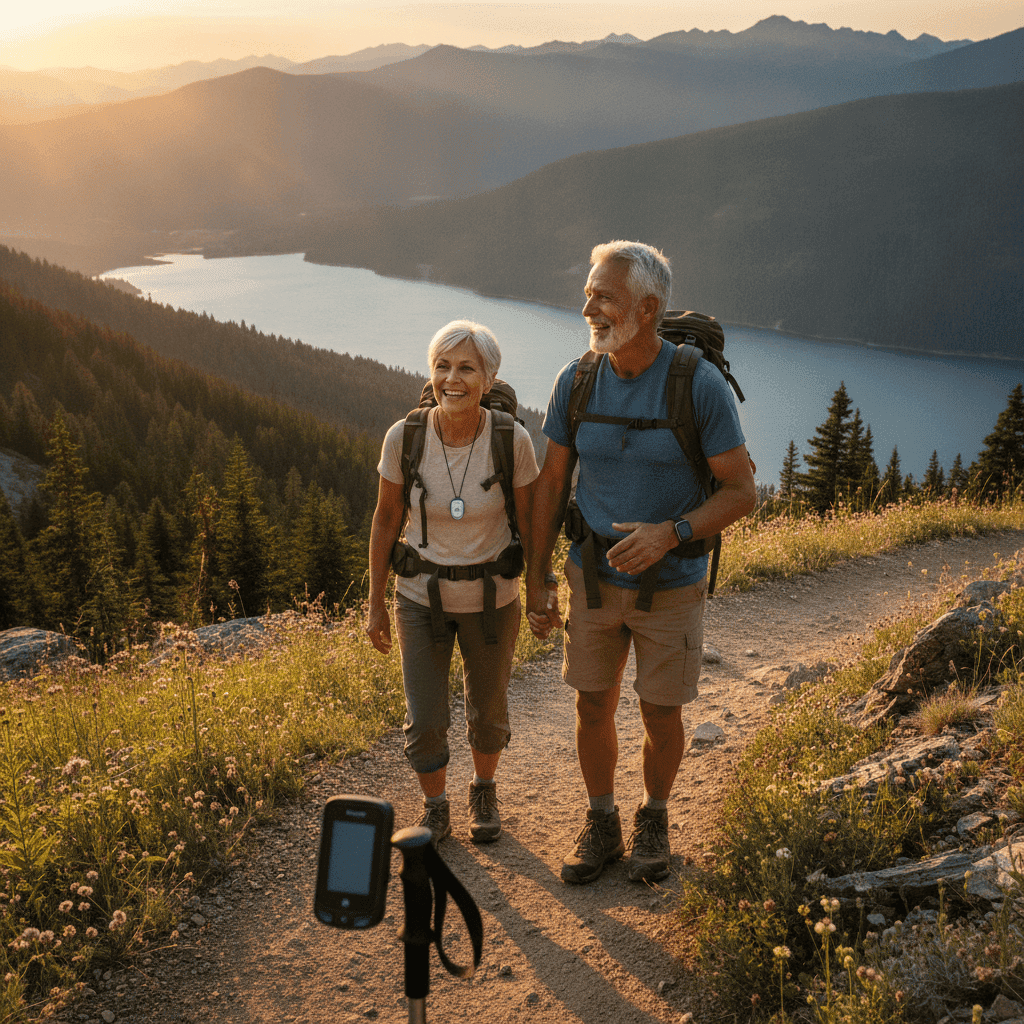
The desire to explore does not dim with age. Many seniors today are more active and adventurous than previous generations. They want to see the world, visit family far away, or simply enjoy a new experience in a different city. This spirit of discovery is truly inspiring for me to witness.
I know firsthand that this freedom to travel can come with certain considerations. We want to enjoy our travels without constant worry about unexpected health events. This is where the concept of Worry Free Wanderlust with Senior Medical Alerts becomes a real game changer. It is about equipping ourselves with the right tools to maintain independence and safety.
My goal here is to show you how modern medical alert systems can support your travel aspirations. These devices offer a layer of security that allows you to focus on the joy of your experiences. They help ensure that help is always within reach, no matter where your adventures take you.
Embracing Adventure with Confidence
Travel offers so many benefits to older adults. It keeps the mind sharp, encourages physical activity, and strengthens social connections. I have seen how a change of scenery and new experiences can truly revitalize someone. It adds a spark back into daily life and creates lasting memories. This is a fundamental aspect of staying young at heart.
However, I also understand the concerns that can arise. The fear of falling in an unfamiliar place or needing urgent medical help when no one is around is very real. These worries can sometimes prevent seniors from even considering a trip. But there are practical solutions that can ease these fears and allow for continued exploration.
Medical alert systems act as a vital safety net. They do not just sit at home waiting for an emergency. Many modern devices are built for mobility and active lifestyles. They allow seniors to confidently step out knowing assistance is readily available with just a push of a button. This peace of mind is invaluable for both the traveler and their loved ones.
The Joy of Unrestricted Exploration
I believe that true freedom comes from knowing you are prepared for anything. Imagine walking through a new museum or enjoying a peaceful hike in a national park. You are fully immersed in the moment, not distracted by what might go wrong. This kind of unrestricted exploration is what travel should always be about. It is the core of worry free wanderlust.
A good medical alert system helps facilitate this feeling. It gives you the ability to go where you want, when you want. You can enjoy local cuisine, explore historical sites, and participate in cultural events. All of these experiences become more accessible because you have a reliable safety measure in place.
This allows for a much richer and more fulfilling travel experience. You are not confined by limitations because you have taken proactive steps to manage potential risks. This empowerment is a huge part of maintaining an active and independent lifestyle as we age.
Addressing the “What If” Scenarios
We all think about the “what if” scenarios when planning a trip. What if I trip and fall on uneven pavement? What if I experience sudden chest pain in a quiet area? These are valid concerns, and ignoring them does not make them disappear. A robust medical alert system provides a direct answer to these questions.
It means that if something unexpected happens, you are not alone. The device connects you directly to trained professionals who can assess the situation. They can then dispatch emergency services or contact your designated family members. This immediate response significantly reduces the severity of many incidents.
Knowing that this support network is just a button press away can transform a hesitant traveler into a confident adventurer. It moves the focus from potential dangers to the actual enjoyment of the journey. This proactive approach to safety is what truly defines worry free wanderlust for seniors.
Understanding How Senior Medical Alerts Work on the Go
Many people associate medical alert systems with home-based setups, but the technology has evolved significantly. Today’s devices are designed for active individuals who are frequently out and about. These mobile systems offer features that cater specifically to the needs of travelers.
The primary distinction is between traditional in-home units and portable mobile units. In-home systems rely on a base station connected to a landline or cellular service within the home. Mobile units, however, are standalone devices with built-in cellular and GPS technology. This makes them ideal for travel because they do not depend on a fixed location.
When an alert button is pressed on a mobile device, it uses its cellular connection to contact a 24/7 monitoring center. The GPS capabilities allow the operators to pinpoint your exact location. This means whether you are in a bustling airport, a quiet park, or a busy restaurant, help knows exactly where to find you. The seamless integration of these technologies is crucial for effective travel safety.
Some advanced mobile devices also include automatic fall detection. This feature uses accelerometers to sense sudden movements that indicate a fall. If a fall is detected, the device automatically sends an alert to the monitoring center. This is incredibly useful for situations where a person might be unconscious or unable to press the button themselves. It adds another layer of safety, giving users and their families even greater assurance when traveling alone or in remote areas. The battery life is also a key consideration, and modern devices typically offer several days of charge, making them reliable companions for your travels.
Key Features for Worry Free Wanderlust with Senior Medical Alerts
When selecting a medical alert system for travel, certain features stand out as particularly important. These functionalities are designed to provide maximum security and convenience while you are away from home. I always advise people to look beyond the basic alert function to find a system that truly supports their lifestyle.
One of the most critical features is reliable two-way communication. Many mobile units have a built-in speaker and microphone. This allows you to speak directly with the monitoring center operator through the device itself. You can explain your situation, and they can offer reassurance while help is on its way. This direct line of communication is essential, especially when you might be disoriented or in distress.
Another must-have is a waterproof or water-resistant design. Accidents can happen anywhere, but bathrooms, pools, and beaches are common places for slips and falls. A device that can withstand splashes or even a brief submersion means you can keep it on at all times, even in the shower or by the water. This ensures continuous protection throughout your day, which is vital for maintaining your worry free wanderlust spirit.
Finally, consider the battery life and charging convenience. A device with a long battery life reduces the frequency of charging. This is especially helpful during busy travel days or when access to power outlets might be limited. Look for systems that offer easy charging methods, perhaps a simple cradle, so you can quickly power up your device each night. These practical elements contribute significantly to the overall effectiveness and peace of mind a medical alert system provides during your travels.
GPS and Location Services
The ability to pinpoint your location is perhaps the most important feature for a traveling senior medical alert. Traditional in-home systems only know your address. A mobile system with GPS tracking means help can find you no matter where you are. This technology provides precise location data to the monitoring center. It removes the guesswork in an emergency.
Imagine you are exploring a new city and become disoriented, or worse, have a medical emergency in an unfamiliar neighborhood. With GPS, the operator can tell emergency services exactly where to go. This significantly cuts down on response times. It turns potential danger into a quickly managed situation. This feature is fundamental to achieving true worry free wanderlust.
Reliable Communication on Your Terms
Being able to speak directly to someone after an alert is activated is incredibly reassuring. Most mobile medical alerts include a two-way speakerphone. This allows you to talk to a trained operator right through the device. You can explain what happened and what kind of help you need.
This direct communication ensures that appropriate assistance is dispatched without delay. It also provides comfort during a stressful time. The operator can stay on the line with you until help arrives. This feature is particularly valuable when you are traveling alone. It means you always have a human connection to fall back on.
Choosing the Right Medical Alert System for Your Travels
Selecting the best medical alert system for your travel needs requires careful consideration. There are many options on the market, so I always recommend evaluating them based on your specific travel habits and health requirements. My experience tells me that a one-size-fits-all approach rarely works here, so personalization is key.
First, think about where you typically travel. Are your trips mostly domestic, or do you venture internationally? Some systems offer coverage across North America, but international coverage can be more complex. You need to confirm that the chosen system will function reliably in your intended destinations. This includes checking cellular network compatibility in different countries. It also involves understanding any roaming charges that might apply for data usage.
Next, consider your usual activity level. If you enjoy active pursuits like hiking or cycling, a lightweight, durable, and waterproof device is essential. If your travel is more relaxed, focused on cruises or city tours, then a simpler, compact mobile unit might suffice. The device should integrate seamlessly into your daily activities without being cumbersome or distracting. This ensures you will actually wear it consistently, which is crucial for its effectiveness.
I also advise thinking about personal health conditions. Do you have a history of falls, heart issues, or other concerns that might warrant specific features like automatic fall detection? This feature, while not foolproof, can provide an added layer of protection. Always test the system thoroughly before you embark on any trip. Make sure you understand how it works and that all features are functioning correctly. Checking the battery life and signal strength in various environments is also a good practice. This preparation is essential for gaining true peace of mind and embracing worry free wanderlust. You can research various alerts for traveling seniors to find one that fits your needs.
Finally, look into the monitoring center’s credentials and responsiveness. A UL-certified or TMA Five Diamond certified monitoring center indicates a high standard of service. Read reviews and ask about their typical response times and protocols for international emergencies. Some providers may have multilingual operators. This could be a significant advantage if you plan to travel to non-English speaking countries. Knowing these details helps ensure you receive competent and timely assistance whenever it is needed.
Preparing for Your Trip: Integrating Medical Alerts into Your Plans
Integrating your medical alert system into your travel planning is a crucial step for ensuring a smooth and safe trip. It goes beyond simply packing the device. I always recommend a systematic approach to pre-trip preparations when it comes to personal safety devices.
Start by notifying your medical alert provider about your travel plans. Tell them your itinerary, including dates, destinations, and any temporary contact information. This ensures they have the most current details in case of an emergency. They might also offer specific advice or tips for using your device in different regions. Some companies can even temporarily update your emergency contact list to include local contacts if needed.
Next, update your emergency contact list on file with the alert company. Make sure all phone numbers for family and friends are current. Consider adding contact information for your travel companions or local emergency contacts at your destination. This streamlines the communication process if an incident occurs. It helps ensure that the right people are informed quickly and efficiently.
I also highly recommend practicing with your device before you leave. Do a test call to the monitoring center to confirm it is working correctly. Familiarize yourself with how to press the button, speak into the microphone, and hear the operator. This practice builds confidence and ensures you know exactly what to do if a real emergency arises. It removes any hesitation or confusion during a stressful moment.
Always pack the charging cable and any necessary adapters for your device. A fully charged battery is your best defense, so plan to charge it regularly, especially overnight. Consider bringing a portable power bank for longer excursions or unexpected delays. Having these essentials on hand prevents unexpected power issues. It keeps your device ready for use at all times.
Pre-Trip Checklist for Peace of Mind
- Inform your medical alert company of your travel dates and destinations.
- Update your emergency contact information with current phone numbers.
- Conduct a test call to the monitoring center to verify device functionality.
- Pack all charging cables and any international power adapters.
- Carry your medical alert device at all times during your trip.
Understanding International Considerations
Traveling internationally with a medical alert system requires an extra layer of planning. Not all systems work seamlessly across borders. You must confirm that your device has international cellular coverage or that you have an alternative plan. Some providers offer international roaming options. Others might recommend renting a local device or purchasing a local SIM card for your current device, if compatible.
Also, understand the local emergency numbers in your destination country. While your medical alert system will connect you to an operator, knowing the local numbers can be helpful. Language barriers are another factor to consider. Some monitoring centers offer multilingual support. It is always wise to carry a card with essential phrases in the local language. This preparation helps ensure that help can be effectively dispatched. It contributes significantly to a truly worry free wanderlust experience abroad.
Real Stories of Safety and Serenity
I have heard many stories where medical alerts made a significant difference for seniors traveling away from home. One particular instance involved an elderly woman named Martha who was on a solo road trip. She was visiting national parks across the country, a lifelong dream of hers. One evening, while walking back to her motel after dinner, she tripped on an uneven curb and fell, breaking her wrist.
Martha was shaken and in pain, but she instinctively pressed the button on her pendant. Within moments, an operator was speaking to her through the device. She was able to explain what happened and give her approximate location. The operator used the device’s GPS to confirm her precise coordinates. They immediately dispatched local emergency services and simultaneously contacted Martha’s daughter. Martha received prompt medical attention, and her daughter was quickly informed, easing her worry. Without the medical alert, Martha might have waited much longer for help, possibly facing a more severe outcome or prolonged distress. This timely assistance made a huge difference in her recovery and overall travel experience.
Another example involves a couple, David and Susan, who were enjoying a river cruise in Europe. David, who had a mild heart condition, suddenly felt dizzy and disoriented while exploring a small town during a port stop. Susan immediately activated his wearable medical alert device. The monitoring center connected with them and quickly arranged for local medical assistance to meet them back at the ship. The seamless coordination meant David received care without any stressful delays. It allowed them to continue their cruise with renewed confidence in their safety measures. These real-life scenarios highlight how essential these devices are for maintaining safety and serenity while traveling. They truly enable a worry free wanderlust.
These accounts show me the practical value of senior medical alerts. They are not just gadgets. They are tools that empower people to live fuller lives. They provide critical support when it is most needed. This kind of protection allows for continued engagement with the world. It means embracing every moment of an adventure. Knowing that a reliable system is always at hand frees you to enjoy the journey. It really transforms the travel experience into something truly worry free.
Your Passport to Worry Free Wanderlust
As I have shared, the dream of travel for seniors is more attainable and safer than ever before. Modern medical alert systems are no longer just for home use. They are advanced, portable devices designed to support an active and adventurous lifestyle. By embracing technology like these alerts, seniors can unlock a new level of independence and confidence in their journeys. These systems offer vital protection and peace of mind for both travelers and their families. This allows everyone to focus on the joy of exploration.
I believe that living life to the fullest means taking calculated risks and being prepared for the unexpected. A medical alert system is a straightforward yet powerful way to manage those risks. It ensures that in moments of need, immediate professional help is just a button press away. This security means you can confidently step onto that plane, board that cruise ship, or explore that new city. Your personal safety net travels with you everywhere you go.
So, I encourage you to consider how a senior medical alert system can enhance your future travel plans. Research the options available, look for features that match your specific needs, and make the investment in your peace of mind. Do not let potential worries hold you back from the incredible experiences that await. Prepare thoughtfully, equip yourself wisely, and then embark on your next adventure with true worry free wanderlust. The world is waiting for you to explore it safely and joyfully.


I believe fostering a love for science begins long before a child steps into a formal classroom. Young children possess..
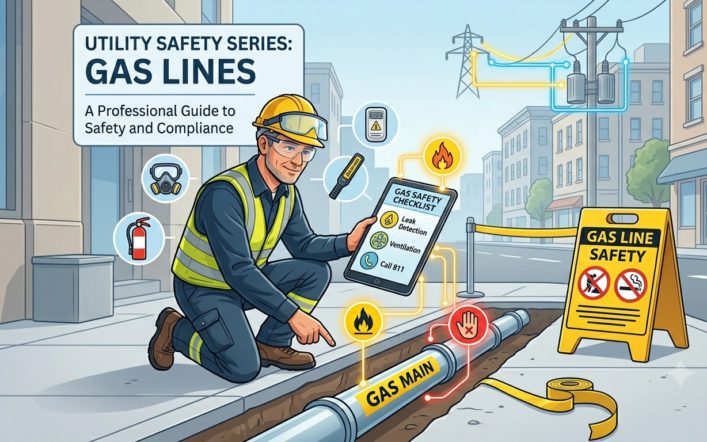
Working with utilities is a critical service that powers our homes and keeps our infrastructure running. But it is also..

There are those that think that through the advancement of different sources of brand-new power, such as Energy-from-Waste together with..

If this was not real, there would certainly be no requirement for website companies. They would not exist. Making money..