
Adaptations of Yemeni Traditional Clothing
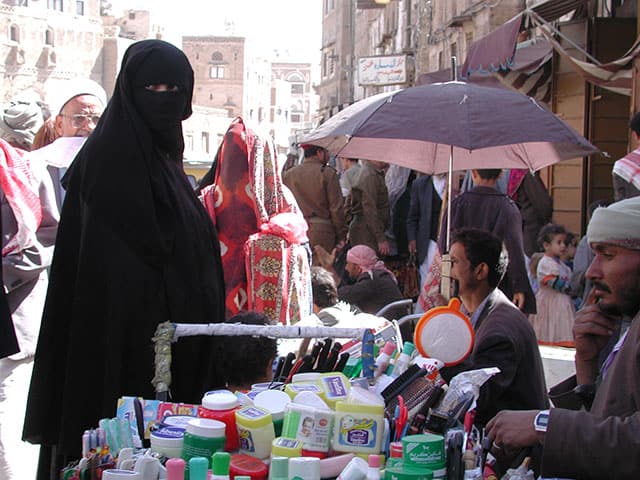
Yemeni traditional clothes carry a deep story full of history, culture, and craft. For centuries, outfits like the thobe, jambiya, and malkhaf have shaped Yemen’s unique style, showing off its strong roots and skilled handiwork. As global fashion changes and cultures mix more than ever, Yemeni style steps into an exciting new phase. This text reveals how old traditions blend with fresh fashion ideas, creating a lively mix of past and present. Fashion fans and culture lovers who want something bold and different will find a lot to admire in how Yemen’s clothes are turning heads right now. Dive in for a glimpse into a world where heritage meets cool new vibes and discover why this blend is catching so much attention.
Reviving Tradition with a Modern Twist
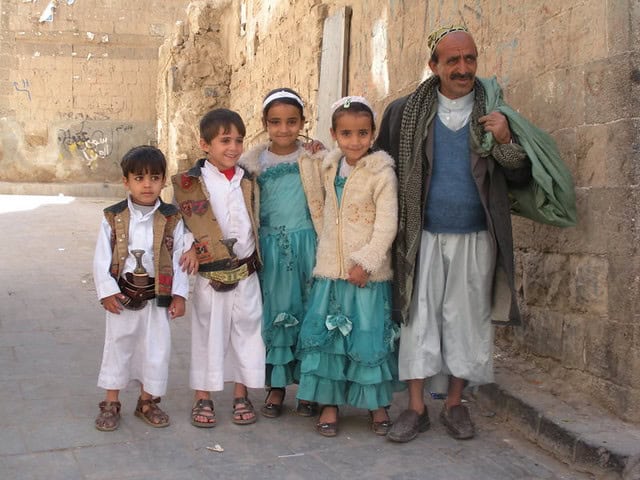
The traditional Yemeni thobe, a long robe worn by men, and the malkhaf, a wrap worn by women, have long been symbols of cultural pride. These garments are characterized by their intricate embroidery, luxurious fabrics, and distinctive cuts. However, today’s fashion designers are reimagining these classic pieces, merging traditional elements with modern aesthetics to create clothing that resonates with contemporary tastes.
One prominent example is the integration of traditional embroidery into modern casual wear. Designers are incorporating traditional Yemeni patterns into everyday items like jackets, jeans, and even sneakers. This blending of styles allows individuals to showcase their heritage while staying fashionable in a global context. For instance, a classic thobe might be reinterpreted as a tailored blazer, combining its rich embroidery with modern, sleek lines.
Innovative Fabrics and Cuts
Modern Yemeni fashion is also experimenting with new fabrics and cuts. Traditional garments are typically made from heavy, luxurious materials suited to the region’s climate. Today, however, designers are exploring lightweight, breathable fabrics that are more versatile and suited for different climates. This innovation allows traditional clothing to be worn in diverse settings, from international events to everyday life.
Moreover, traditional cuts are being adapted to fit contemporary silhouettes. For example, the traditional jambiya, a curved dagger often worn with a decorative belt, is being reimagined as a stylish accessory. Designers are incorporating these elements into modern outfits, creating a unique blend of old and new that appeals to a global audience.
Cultural Fusion in Global Fashion
Yemeni traditional clothing is also making waves on the global stage through cultural fusion. International fashion designers and influencers are increasingly incorporating Yemeni elements into their collections. This trend not only introduces Yemeni fashion to a wider audience but also highlights the rich cultural heritage embedded in these garments.
Collaborations between Yemeni designers and global fashion houses are becoming more common, leading to innovative collections that celebrate Yemeni craftsmanship while appealing to international tastes. These collaborations often result in collections that feature traditional Yemeni motifs in contemporary designs, such as evening gowns, business suits, and casual wear.
Sustainable Fashion and Ethical Production
Sustainability is another significant trend influencing modern Yemeni fashion. Traditional Yemeni clothing is known for its high quality and longevity, values that align with the principles of sustainable fashion. Many modern Yemeni designers are embracing ethical production methods, focusing on local materials and artisanal techniques to create garments that are both stylish and environmentally friendly.
This commitment to sustainability is not only about preserving traditional craftsmanship but also about promoting responsible fashion practices. By incorporating traditional methods into contemporary designs, Yemeni designers are contributing to a global movement towards more sustainable and ethical fashion.
Empowering Local Artisans and Communities
Modern adaptations of Yemeni traditional clothing are also playing a crucial role in empowering local artisans and communities. Many designers are working closely with traditional craftsmen, providing them with new opportunities and platforms to showcase their skills. This collaboration not only supports the preservation of traditional techniques but also helps to foster economic development within local communities.
Furthermore, the global recognition of Yemeni fashion has opened up new markets for these artisans, allowing them to reach a broader audience and gain recognition for their work. This empowerment is crucial for ensuring the continued survival of traditional craftsmanship in the face of globalization.
Challenges and Opportunities
While the adaptation of Yemeni traditional clothing to modern fashion presents numerous opportunities, it also comes with its challenges. Balancing respect for traditional values with the demands of contemporary fashion can be a delicate task. Designers must navigate the fine line between innovation and cultural preservation, ensuring that modern adaptations honor the rich heritage of Yemeni clothing.
Additionally, there is the challenge of maintaining authenticity while appealing to a global audience. As Yemeni traditional clothing gains international attention, there is a risk of cultural appropriation and misrepresentation. Designers and fashion enthusiasts must approach these adaptations with sensitivity and respect, ensuring that they accurately represent Yemeni culture and history.
The Future of Yemeni Traditional Clothing
Looking ahead, the future of Yemeni traditional clothing in contemporary fashion appears promising. The ongoing fusion of traditional and modern elements is likely to continue, with designers finding new ways to celebrate Yemeni heritage while embracing global fashion trends.
As more designers and consumers become aware of the richness of Yemeni clothing, there is potential for even greater innovation and collaboration. This evolving landscape offers exciting possibilities for Yemeni fashion, paving the way for a vibrant future where tradition and modernity coexist harmoniously.
In conclusion, the modern adaptations of Yemeni traditional clothing represent a beautiful convergence of heritage and contemporary fashion. By reimagining traditional garments with modern twists, experimenting with new fabrics and cuts, and embracing global trends, Yemeni designers are creating a dynamic fashion landscape that honors the past while looking towards the future. This fusion not only celebrates the rich cultural heritage of Yemen but also highlights the evolving nature of fashion in a globalized world.


The desire to explore does not dim with age. Many seniors today are more active and adventurous than previous generations…

I believe fostering a love for science begins long before a child steps into a formal classroom. Young children possess..

Working with utilities is a critical service that powers our homes and keeps our infrastructure running. But it is also..

There are those that think that through the advancement of different sources of brand-new power, such as Energy-from-Waste together with..